
I was talking to a founder the other day who was just completely burned out on hiring. They were spending half their week reading resumes instead of actually running their business. It got me thinking about how broken the traditional hiring model can be when you’re trying to scale fast. That’s usually when the question comes up: what is recruitment process outsourcing? Honestly, it sounds like corporate jargon, but the concept is actually pretty straightforward.
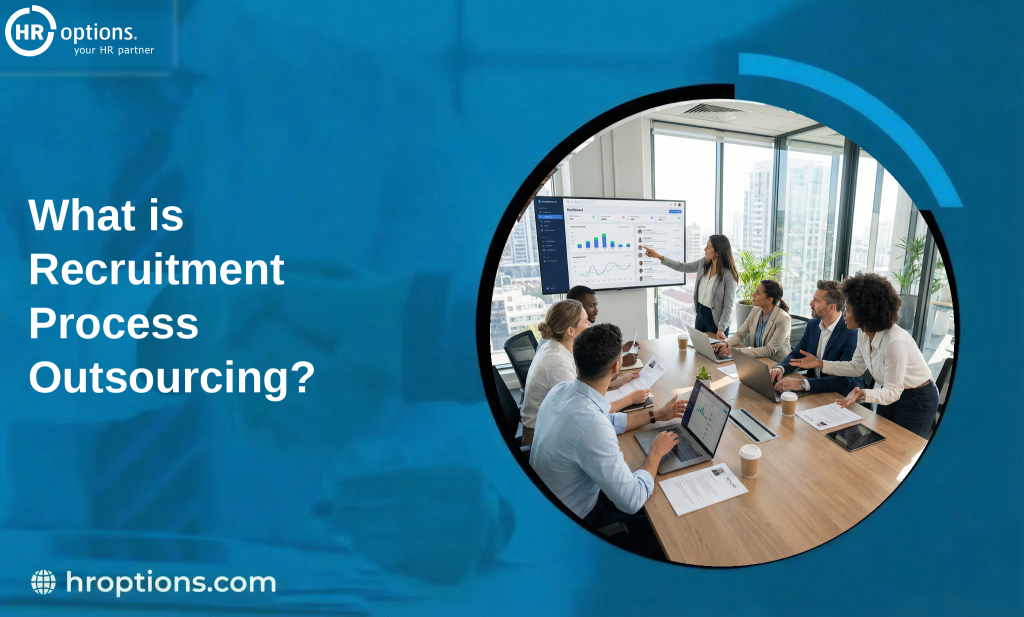
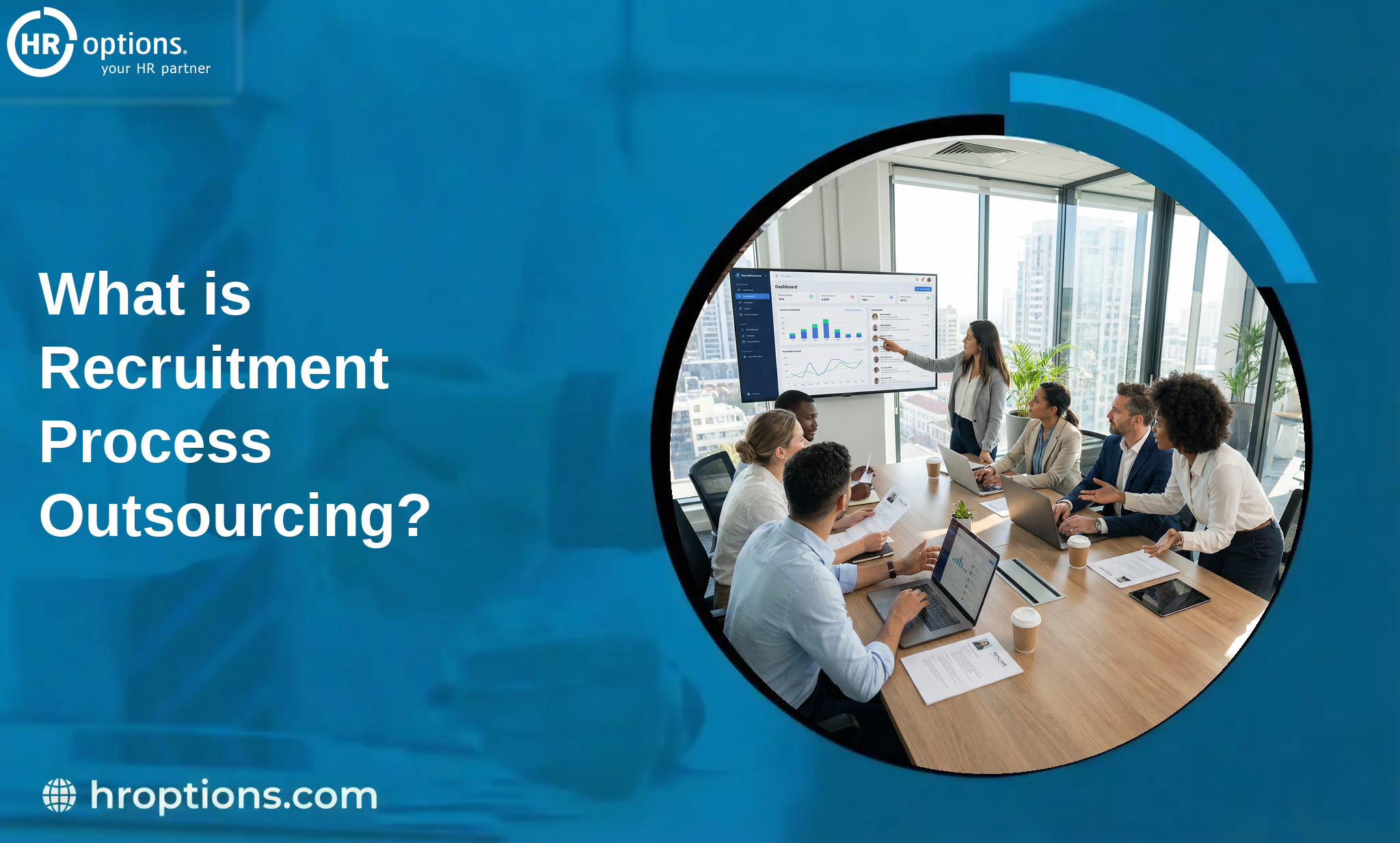
Recruitment Process Outsourcing, or RPO, is basically when a company hands over all or part of its permanent hiring process to an external provider. It’s not just using a headhunter to fill one specific seat. It’s more like bolting an entire, fully-functioning talent acquisition team onto your company. They take over the strategy, the tech, the sourcing, the interviewing—the whole machine. When you think about it, it makes a lot of sense. Why build a massive internal recruiting engine if you only need to hire heavily for six months out of the year?
How RPO Actually Works in Practice
The thing is, people often confuse RPO with traditional staffing agencies. But they are fundamentally different beasts. A staffing agency is usually transactional. You give them a job description, they find a candidate, you pay a massive fee, and they disappear until you need them again.
An RPO partner acts like they work for you. They use your company’s email addresses, they pitch your employer brand, and they integrate directly with your hiring managers. It’s a true partnership. They might handle everything from the moment a job requisition is approved all the way through to onboarding. Or, they might just handle the sourcing and screening, leaving the final interviews to your internal team. It’s highly customizable. You can dial it up or dial it down based on what you actually need. If you’re curious about how this compares to other hiring models, looking into general recruiting services can give you a good baseline.
Why Companies Make the Switch
So why do companies actually do this? Well, the biggest reason is usually scalability. Let’s say you just got a round of funding and you need to hire 50 engineers in three months. Your internal HR person—who is already swamped with payroll and employee relations—is going to drown. An RPO provider can drop a team of five specialized tech recruiters into your business tomorrow. And when the hiring sprint is over, they scale back down. You aren’t stuck paying the salaries of five full-time recruiters when you only need to hire two people a month.
Another huge factor is the quality of the hires. Because RPO providers are deeply embedded in your company, they actually understand your culture. They aren’t just throwing resumes at the wall to see what sticks. They are building long-term talent pipelines. They have access to the best applicant tracking systems and AI sourcing tools—stuff that a mid-sized company probably can’t afford to buy on its own.
If you are feeling the pain of a broken hiring process, it might be time to get some outside perspective. You can always reach out to us at (800) 777-8944 or visit our consultation page to talk through your specific bottlenecks.
The Hidden Benefits You Don’t Think About
There are also some secondary benefits that people don’t always talk about. For one, it forces you to clean up your own internal processes. When an RPO team comes in, the first thing they do is audit how you currently hire. They’ll look at your job descriptions, your interview scorecards, and your candidate communication. Usually, they find a lot of leaks in the bucket. Fixing those leaks improves the candidate experience dramatically.
And let’s be real, candidate experience matters more than ever. If your hiring process is a disorganized mess, top talent will just go somewhere else. An RPO ensures that candidates are communicated with promptly, interviews are scheduled smoothly, and feedback is collected efficiently. It makes your company look incredibly professional, even if things are a bit chaotic behind the scenes.
Is RPO Right for Every Business?
I’ll be honest, RPO isn’t the magic bullet for everyone. If you only hire three or four people a year, a full-scale RPO is probably overkill. You’re better off using a traditional agency or just handling it internally. But if you are in a high-growth phase, or if you have high turnover in certain roles—like call centers or retail—it can be a lifesaver.
It also requires a lot of trust. You are handing over the keys to your employer brand. If you pick the wrong partner, they can do a lot of damage to your reputation in the talent market. You have to treat the selection process just like you would when hiring a key executive. You need to make sure their values align with yours and that they truly understand your industry. Sometimes, companies realize they don’t just need recruiting help, but broader HR infrastructure, which is where looking into an employer of record or general support services might make more sense.
Wrapping My Head Around It
At the end of the day, deciding whether to use Recruitment Process Outsourcing comes down to looking at your core competencies. Is your company’s core competency recruiting? Probably not. Your core competency is building software, or selling products, or providing a service.
By outsourcing the heavy lifting of talent acquisition, you free up your leadership team to focus on what actually drives revenue. It’s a strategic shift from viewing recruiting as an administrative headache to viewing it as a competitive advantage. It takes some getting used to, letting go of that control, but when it works, it completely transforms how a business grows.
FAQs
What is the main difference between RPO and a staffing agency?
A staffing agency is typically transactional, filling specific open roles for a one-time fee. An RPO is a strategic partnership where the provider acts as your internal recruiting department, managing the entire hiring process under your company’s brand.
How does RPO save money?
RPO saves money by reducing the time-to-hire, lowering the cost-per-hire compared to traditional agency fees, and eliminating the need to maintain a large, full-time internal recruiting team during periods of low hiring volume.
Can a small business use RPO?
While traditionally used by large enterprises, many RPO providers now offer scalable, project-based solutions that are highly effective for small to mid-sized businesses experiencing rapid growth or seasonal hiring spikes.