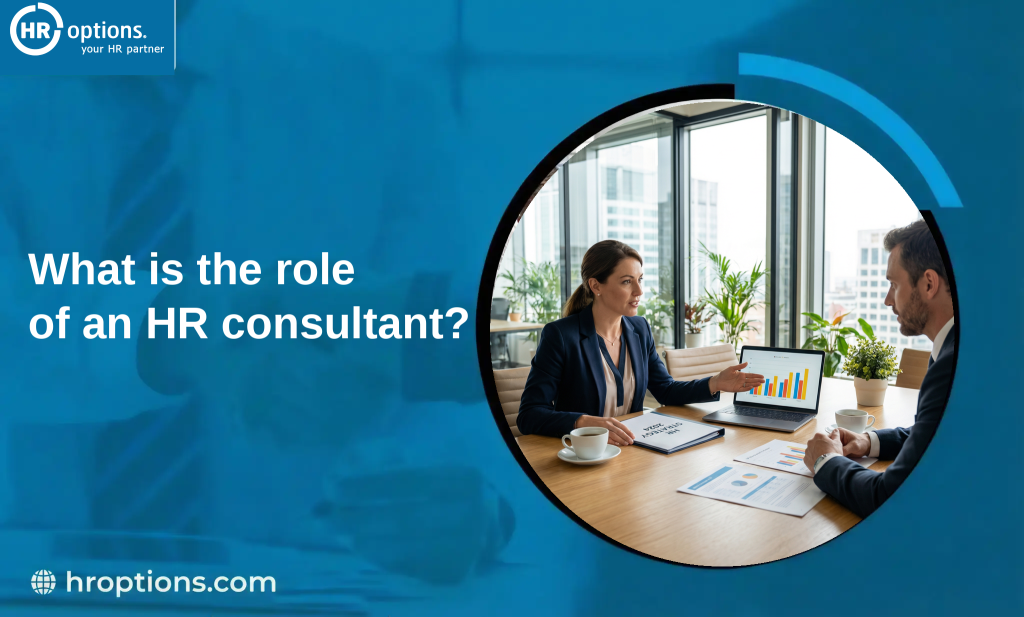

I was talking to a small business owner the other day who was just completely overwhelmed. They had grown from five employees to twenty-five in under a year, and suddenly, they were dealing with performance issues, a confusing benefits renewal, and a looming state compliance audit. They didn’t have the budget for a full-time HR director, but they desperately needed someone to come in and fix the mess. That’s usually the exact moment a founder asks: what is the role of an HR consultant? Honestly, it’s one of the most valuable investments a growing company can make, but it’s also one of the most misunderstood.
When you think about it, most people assume HR is just about payroll and firing people. But an HR consultant is so much more than an administrative backstop. They are strategic advisors. They come into a business, look at the chaos, and build systems that actually support the company’s goals. They aren’t there to just process paperwork; they are there to solve complex people problems.
The Strategic Fixer
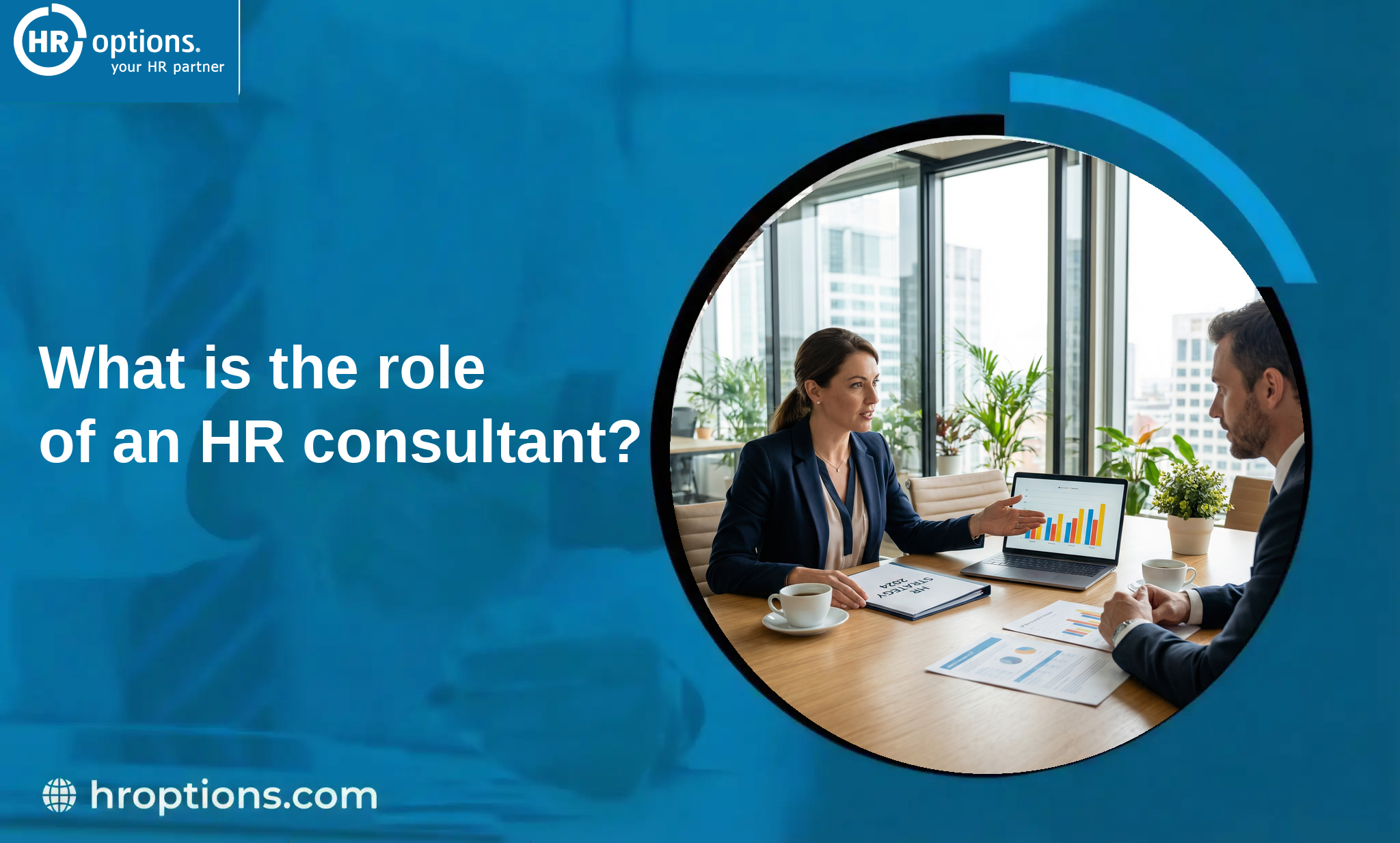
The thing is, what does an hr consultant do on a day-to-day basis? It really depends on what the business needs at that exact moment. Sometimes, they act as a high-level auditor. They will review your employee handbook, your job descriptions, and your compensation structure to make sure you aren’t accidentally breaking any labor laws. That compliance piece alone can save a company hundreds of thousands of dollars in potential lawsuits.
Other times, they are brought in for a specific, painful project. Maybe the company has a toxic culture and high turnover, and the leadership team can’t figure out why. An HR consultant will conduct stay interviews, analyze exit data, and provide an objective, third-party perspective on what’s actually broken. They have the distance to tell the CEO the hard truths that an internal employee might be too scared to say.
If you are feeling the growing pains of managing a larger team and need some objective, expert advice, don’t wait until a crisis hits. Give us a call at (800) 777-8944 or visit our consultation page to see how an HR consultant can help stabilize your operations.
The Difference Between a Consultant and a Manager
I often hear founders ask why they shouldn’t just hire a mid-level HR manager instead. It’s a fair question. An internal HR manager is fantastic for day-to-day execution—handling employee relations, running payroll, and managing the applicant tracking system. They are the engine that keeps the HR function running.
But an hr consultant brings a completely different level of expertise. They have usually worked across dozens of different industries and seen every type of organizational dysfunction imaginable. They bring best practices from the outside world into your business. You hire a manager to maintain the house; you hire a consultant to design the blueprint and build the foundation.
For example, if you are expanding internationally, an internal manager might spend weeks trying to understand the labor laws in the UK. An HR consultant who specializes in global expansion already knows the pitfalls and can immediately connect you with a global employer of record to handle the compliance seamlessly.
The Project-Based Approach
Another huge benefit of using a consultant is the flexibility. You don’t have to commit to a $120,000 salary plus benefits. You can bring them in for a specific project—like overhauling your performance review process or setting up a new management training program—and then scale their hours back when the project is done. It’s a highly efficient way to access senior-level talent.
They can also act as an interim HR leader during a transition period, or provide a specialized recruiting strategy when you need to hire a critical executive role. They are essentially a plug-and-play solution for whatever people-related bottleneck is currently slowing down your business.
Wrapping My Head Around It
At the end of the day, the role of an HR consultant is to align your people strategy with your business strategy. If your goal is to double revenue next year, you can’t do that with a disorganized, demotivated team and a compliance structure that’s held together with duct tape.
An HR consultant comes in, assesses the reality of the situation, and builds the infrastructure you need to scale safely. It’s an investment in the foundation of your company. And when you see the difference between a team that is just surviving and a team that is actually thriving under strong HR leadership, you realize exactly why that investment was worth it.
FAQs
What is the main difference between an HR consultant and an HR manager?
An HR manager is an internal employee responsible for the day-to-day execution of HR tasks, such as payroll, employee relations, and basic compliance. An HR consultant is an external, strategic advisor brought in to solve complex problems, design new HR systems, audit compliance, or manage specific, high-level projects.
When should a small business hire an HR consultant?
A small business should consider hiring an HR consultant when they are experiencing rapid growth, facing complex compliance issues, dealing with high employee turnover, expanding into new states or countries, or when they need senior-level HR expertise but cannot afford a full-time HR executive.
Can an HR consultant help with recruiting?
Yes. While they may not act as a traditional headhunter, an HR consultant can design a comprehensive recruiting strategy, overhaul job descriptions, train managers on effective interviewing techniques, and help select the right applicant tracking system (ATS) for the company.